Turn Your Feedstock into Revenue Generation
50+ RNG Assets.
Repeat Partnerships.
Proven Results.
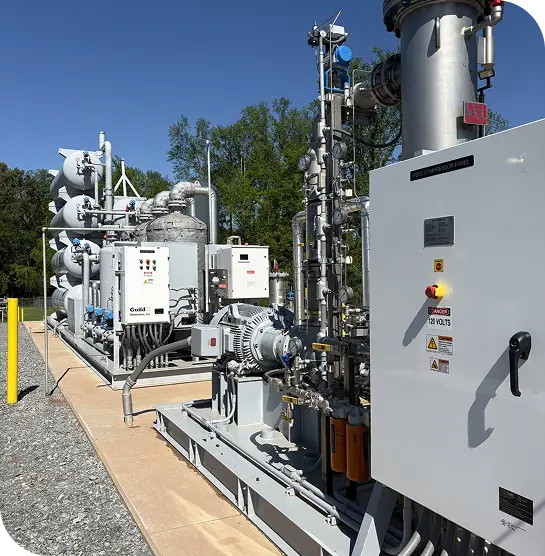
With over 5.5 million MMBtu of clean energy generated each year from waste sources, our systems are engineered for performance, built for uptime, and optimized for sustainability — giving our customers confidence in every project we deliver.
RNG Development for Feedstock Partners
Turn Organic Waste Into Renewable Energy — With Zero Capital Cost
Our partners rely on us to optimize performance and unlock long-term value through:
- Maximizing environmental credit and energy revenue streams
- Advancing odor control and community impact mitigation
- Improving sludge and waste stream management
- Industry-leading methane capture and recovery
- Reducing flaring and fugitive emissions
- Advancing H₂S removal and gas conditioning systems
OUR CUSTOMER-DRIVEN APPROACH
We work closely with our feedstock partners to understand their needs and deliver tailored solutions that support their goals. Here’s why our partners love working with us:

Partnerships +
Operational Excellence
Built on trust and transparency, proven through excellence in safety, compliance, and execution — earning repeat business and long-term partners

Experience and Expertise
Two decades of industry leadership experience —safely and reliably delivering 5.5 million MMBtu/year

Vertically Integrated, Low-Cost Development
End-to-end control across the value chain — driving efficiency, cost advantage, and performance

Maximizing the Value of Every Molecule
Verified high-quality molecules, optimized from production to end market capturing the highest value at every step
Fully Funded & Scalable For Growth
Backed by climate investors —
positioned to grow volumes,
expand globally, and lead
industry consolidation
Fast Impact,
Long-Term Value
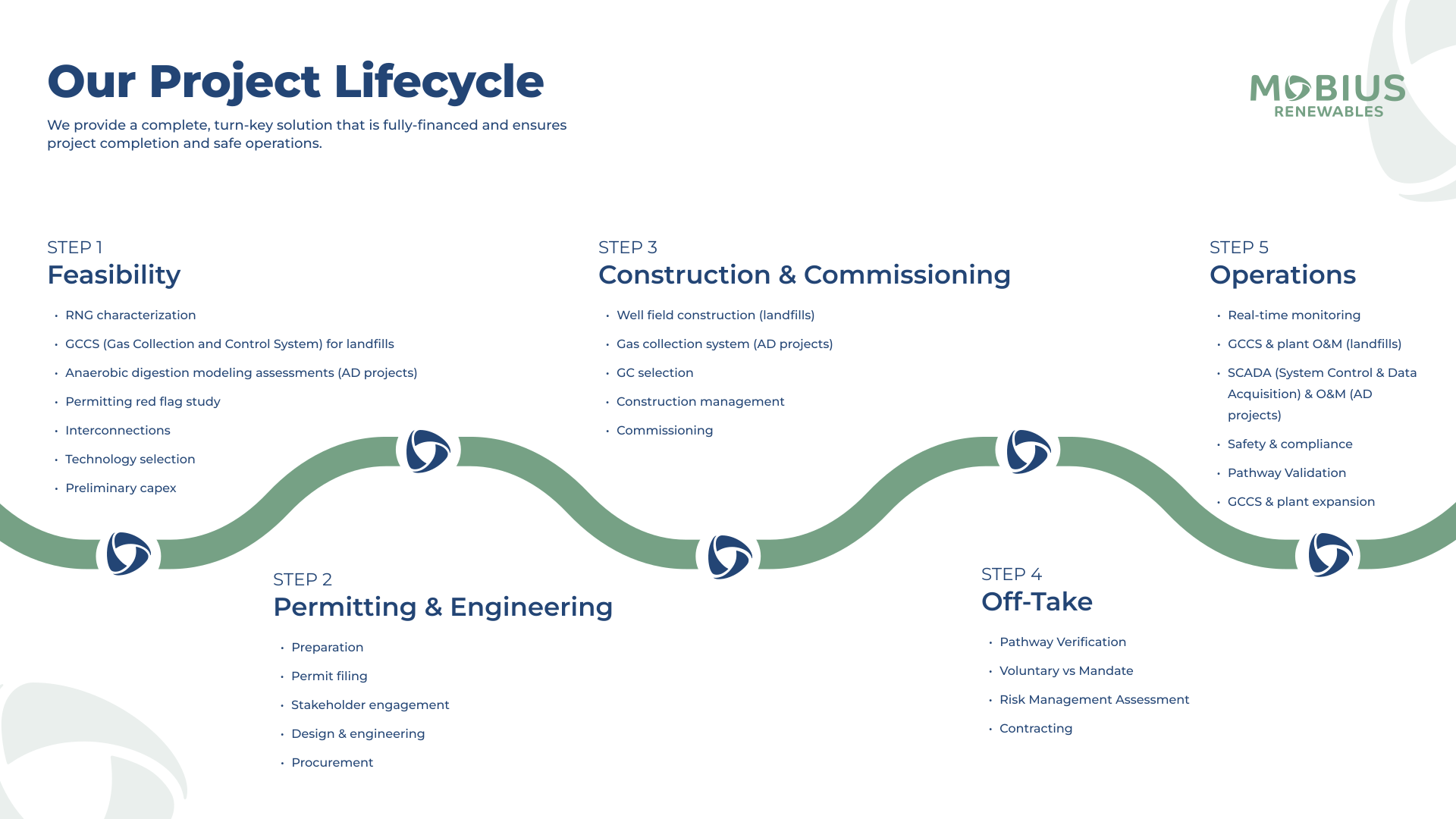
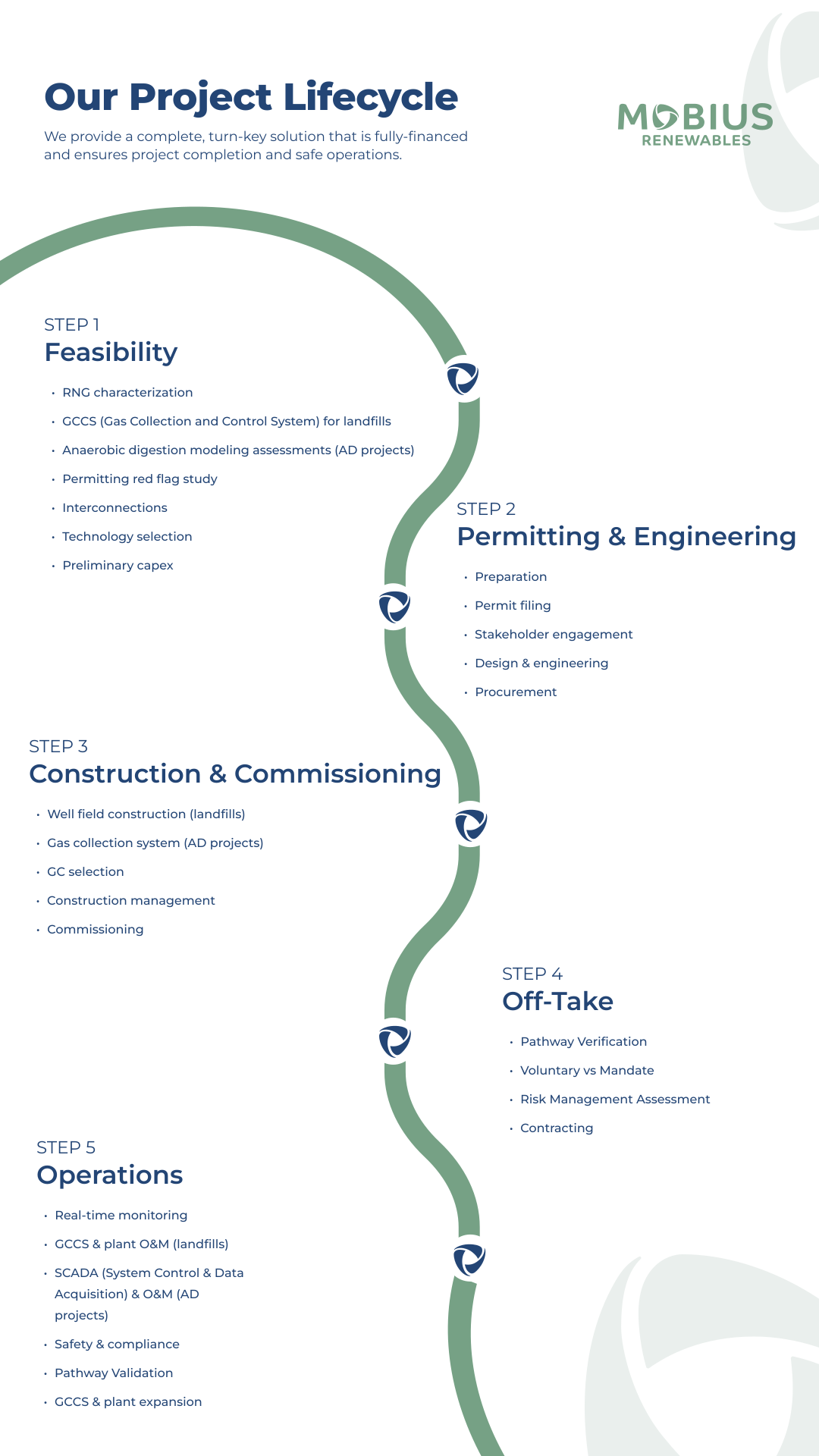
We invest in the capital and equipment needed to modify your existing infrastructure and upgrade your biogas into RNG — unlocking new revenue streams without disrupting your operations.- Reduce emissions in under 12 months
- Start earning revenue in under 2 years
- $0 investment to participate
- $100K–$1M+ potential annual benefit
- 10–20 year agreement terms
FEEDSTOCK PARTNERSHIPS
WE PRODUCE RNG FROM VARIOUS FEEDSTOCK SOURCES
Landfill
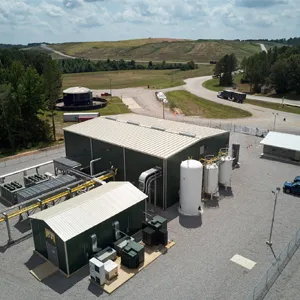
We partner with public and private landfill owners to capture methane emissions and convert landfill waste into valuable RNG.
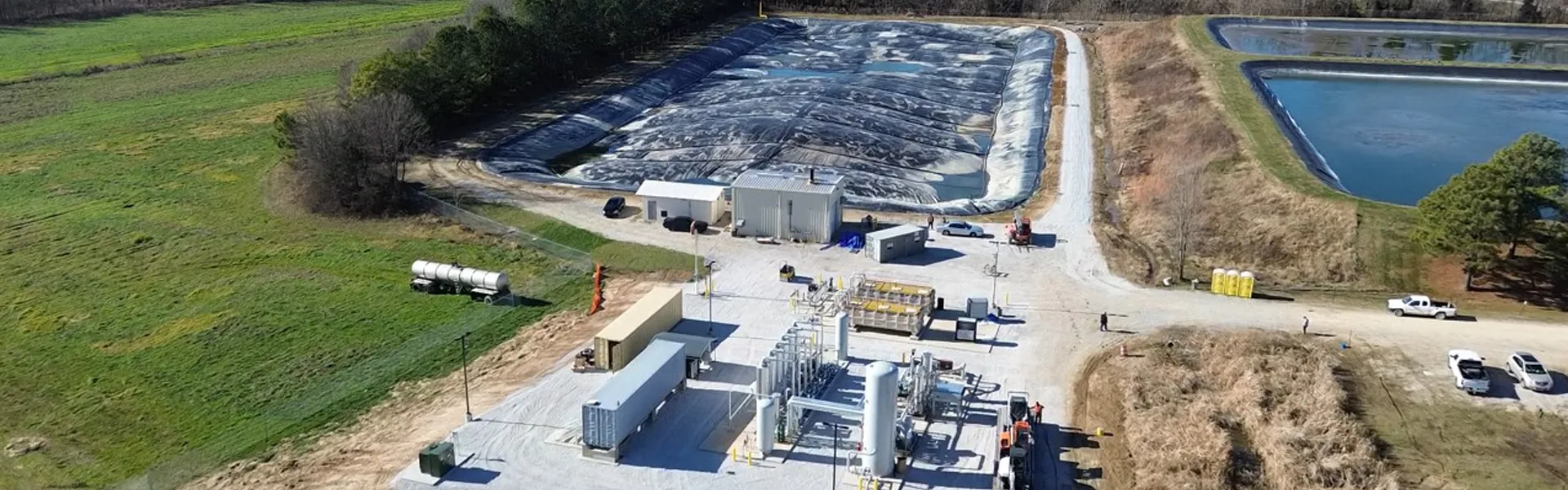
Decomposing municipal solid waste (MSW) in landfills represents a significant source of renewable natural gas (RNG) feedstock. As organic materials such as food scraps, paper, and textiles break down, they generate landfill gas composed of roughly 50% methane. We capture this gas through a network of wells and collection systems and upgrade it to RNG. Our LFG projects reduce uncontrolled methane emissions while transforming existing waste streams into reliable, long-term renewable energy assets.
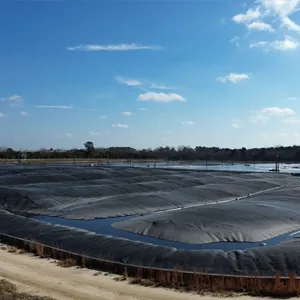
Industrial Wastewater
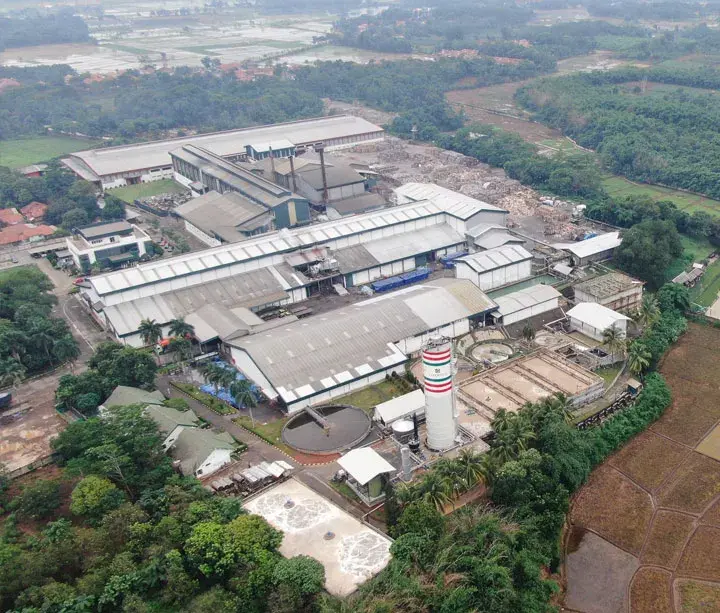
We work with industrial wastewater partners to reduce their operational emissions while transforming production byproducts into reliable, on-site or pipeline-quality renewable energy assets.
Industrial facilities including food processing plants, breweries, pulp and paper mills, and other manufacturing operations generate high-strength organic wastewater as a byproduct of production. This wastewater, rich in biodegradable material, is treated through anaerobic digestion to produce biogas that can be captured, cleaned, and upgraded into RNG.
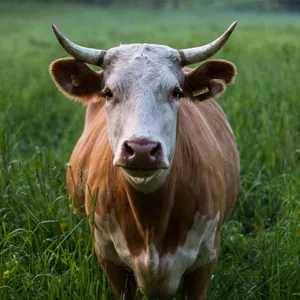
Dairy and Agricultural
With a large portfolio of agricultural RNG projects, we are helping our partners reduce methane emissions, improve nutrient management, and create long-term renewable energy assets that support farm sustainability and rural economies.
Agricultural operations generate organic waste streams such as livestock manure, crop residues, and other farming by-products from dairy, swine, and poultry facilities. Through anaerobic digestion, these materials produce methane-rich biogas that is captured, upgraded, and converted into renewable natural gas.
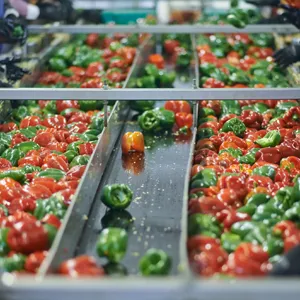
Food & Organic Waste
Food and organics projects reduce landfill methane emissions while converting everyday waste into scalable, low-carbon energy solutions.
Food and organic waste streams from households, grocery stores, restaurants, vegetable canneries, and yard trimmings generate biodegradable material suitable for energy recovery. These materials are diverted from disposal pathways and processed through controlled anaerobic digestion systems to produce RNG.
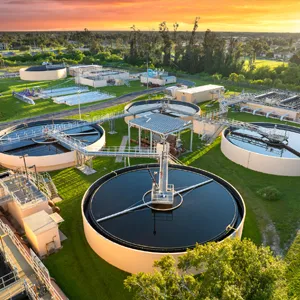
Municipal WWTP
WWTP projects reduce facility emissions, create a beneficial use for waste by-products, and provide a reliable, community-based source of renewable energy.
Municipal wastewater treatment facilities generate biosolids and sludge as part of the treatment process. Through anaerobic digestion, these materials produce biogas rich in methane, which can be captured, upgraded, and converted into RNG. These processes generate a consistent, year-round feedstock with significant untapped energy potential.
HOW IT WORKS
At Mobius Renewables, we harness methane generated by organic waste streams – landfill, agriculture, food, industrial, and wastewater – and convert it into RNG to power communities, transportation, and industries with low-carbon energy.
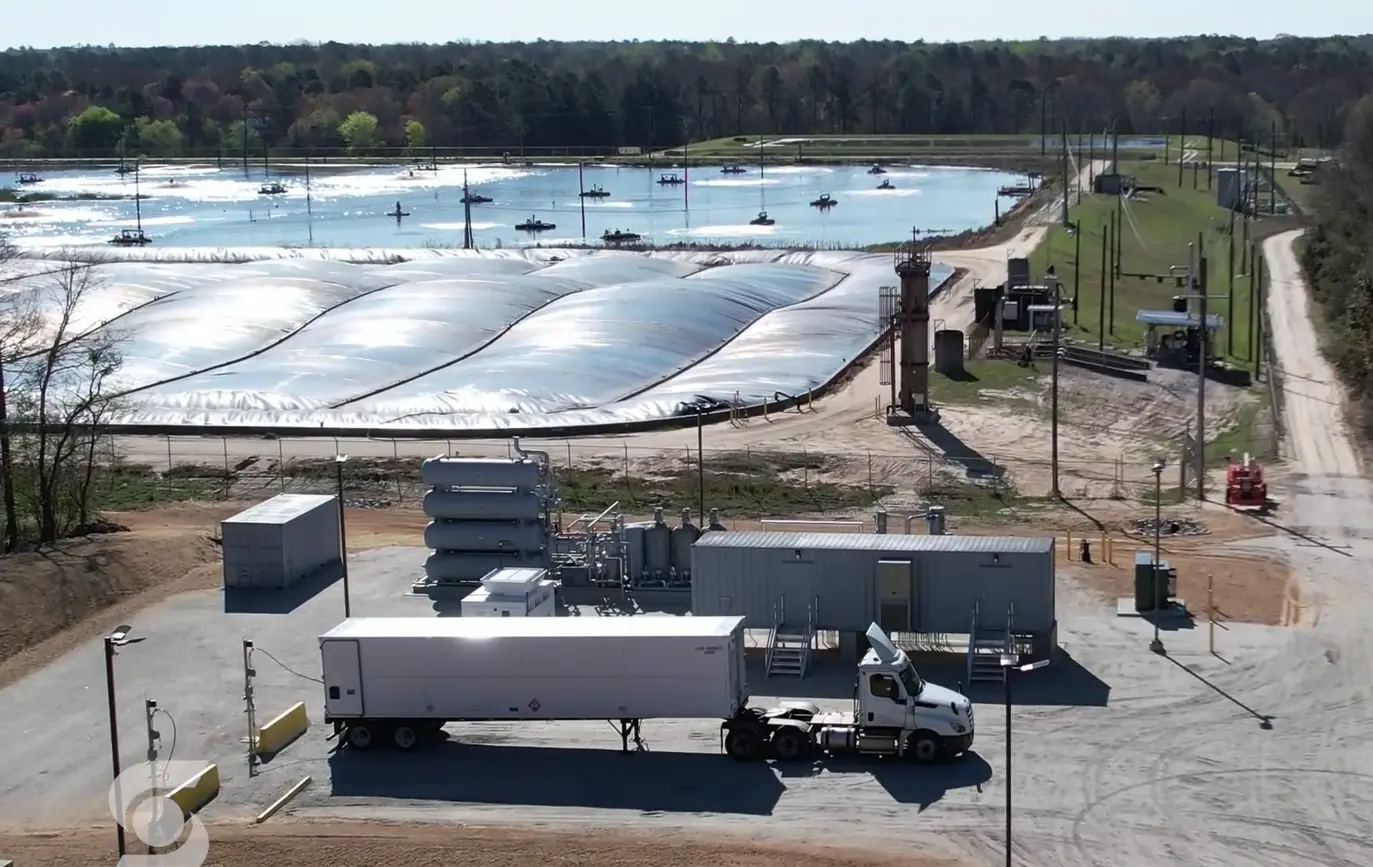

Case Study
SONOCO
See how we helped Sonoco turn waste into income and emissions reductions.